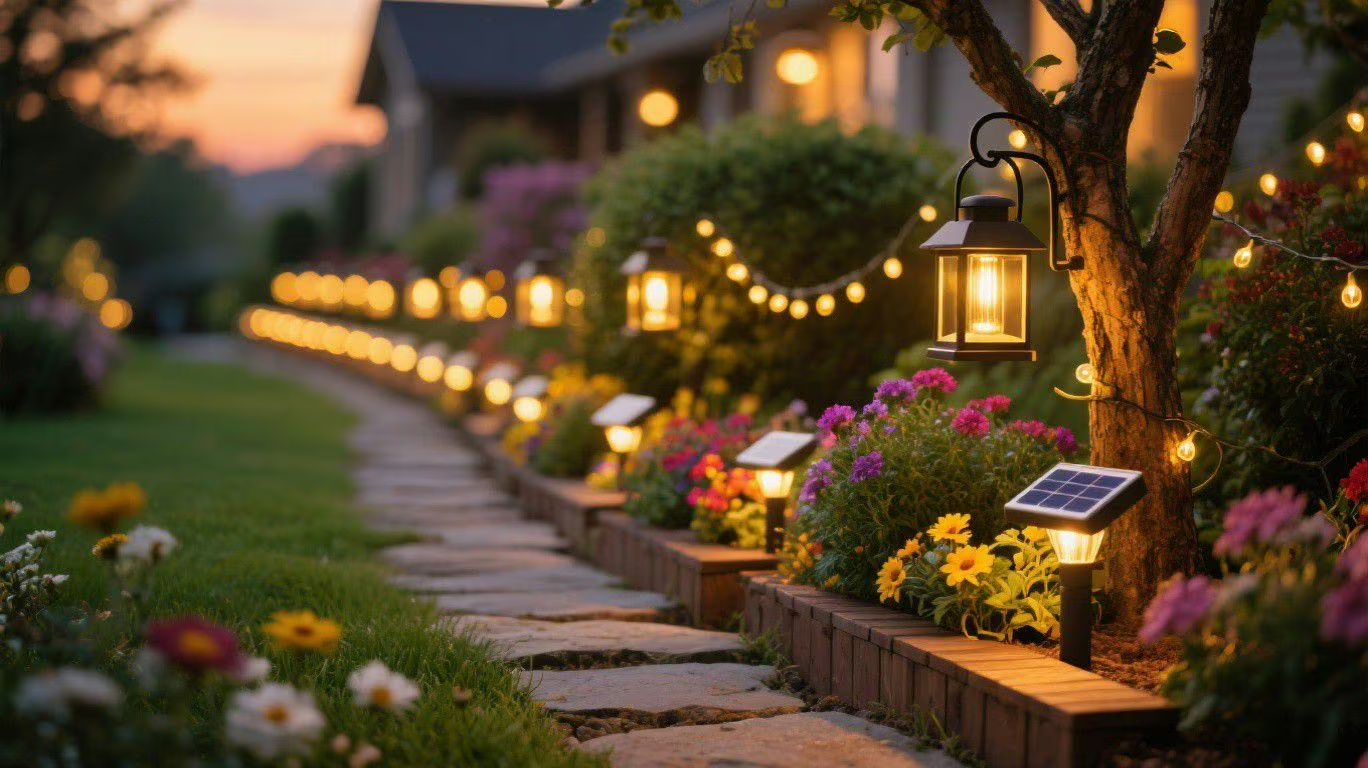
Check-in is at four in the afternoon, and from late October through February, four in the afternoon is dark. The first guest of the season arrives at an unfamiliar house, at night, with two bags, a gate latch they have never operated, and a phone flashlight held in their teeth. Whatever your listing photos promised in June, the review gets written by someone finding the door in the dark in November. That is the real subject of Airbnb outdoor lighting: not how the property photographs, but how it treats a tired stranger at 9 p.m.
Read enough guest reviews and a pattern shows up. The lighting comments cluster in the same places: the dark walk from the car, the surprise step, the motion light that startled a toddler, the warm glow that made arrival feel like exhaling. Hosts who fix those five spots in order do most of their lighting work for a few hundred dollars and no electrician. Here is that order.
Step One: Light the Arrival Before Anything Else
Walk your own arrival as a stranger: park where they park, open the gate they will fumble with, follow the path to the door carrying something awkward. Do it at night. Every point where you slow down is a review waiting to happen, and every one of them is fixable with a stake light or a wall fixture. The curb-to-door run is the single most valuable stretch of light on any rental property, because one hundred percent of guests travel it, twice, in the dark, half the year.
The house number belongs in this step. Guests, pizza drivers, and rideshares all hunt for the number at night, and a lit number turns a slow circle around the block into a one-pass arrival. If the entry lacks one, this is the cheapest high-impact upgrade on the whole list.
Step Two: Motion at the Steps, Warm at the Door
Steps are where guests fall, and falls are the reviews you cannot recover from. Put dedicated light on every step, riser, and level change on the property, and prefer fixtures that show the edge continuously rather than a single pool at the top. Low solar stair lights mounted on the risers handle a deck staircase without wiring, which matters on a rental where every trade visit costs a booking day.
For the door itself, warm and steady beats bright and startling. A wall of motion-sensing solar wall lights over the entry can be aimed and adjusted so it comes on early in the approach, before the guest is directly underneath it; a light that fires in someone’s face at two feet feels like a security event, not a welcome. The aiming details matter more than the fixture, and our guide to positioning solar motion lights covers the angles and sensitivity settings that keep a motion light feeling courteous.
Step Three: Light the Zones Guests Use at Midnight
After arrival, the second review generator is the late-evening territory: the hot tub, the fire pit, the grill deck, the trash can a guest needs at 11 p.m. for reasons of their own. These zones want two kinds of light: a warm ambient layer that makes the space usable and a practical path to it. String lights overhead or along a rail do the ambience cheaply and are consistently the fixture guests name when they write the word magical.
Keep the practical layer separate and dim. A guest walking to the hot tub in a towel wants to see the ground, not be lit like a runway, and a low string of marker lights along the path keeps the mood and the ankles intact. One fixture over the trash area sounds like an odd priority until you have followed a stranger’s phone bobbing toward your bins in the rain.
Step Four: The Details Guests Actually Name
In the praise column, three things repeat: warm color, obvious paths, and lights that simply work every night of the stay. Guests do not mention lumens. They mention that the walk was glowing when they pulled in, that the hot tub had just enough light, that the step was visible. Warm white around 2700K reads as hospitality; cool white reads as inspection.
In the complaint column: glare in seated eyes at the fire pit, a flickering unit by the door, motion lights that fire all night at passing deer and wake the light sleepers, and the dead fixture nobody replaced mid-stay. Every one of those is a maintenance issue wearing a design costume, which is why the last step exists.
Step Five: The Ten-Minute Walk Between Stays
Between bookings, walk the property at dusk with your hands in your pockets and a guest’s eyes on. Wipe the panels, because dust and pollen quietly starve batteries and guests do not report a dimming light, they just notice the yard felt dark. Swap in fresh batteries or the spare fixture for anything dimming before ten. Reset any mode switches and motion sensitivity a previous guest adjusted. Note what the walk felt like, because you are the only person who will ever test the property this way on purpose.
Do that walk once before peak season and again at every turnover, and the lighting stops being a variable. Then read your next twenty reviews and count the lighting mentions against your own list: when guests write arrived so easily, found everything, felt so welcome after dark, they are not describing your decor. They are describing the ten minutes you spent, in the dark, on their behalf.