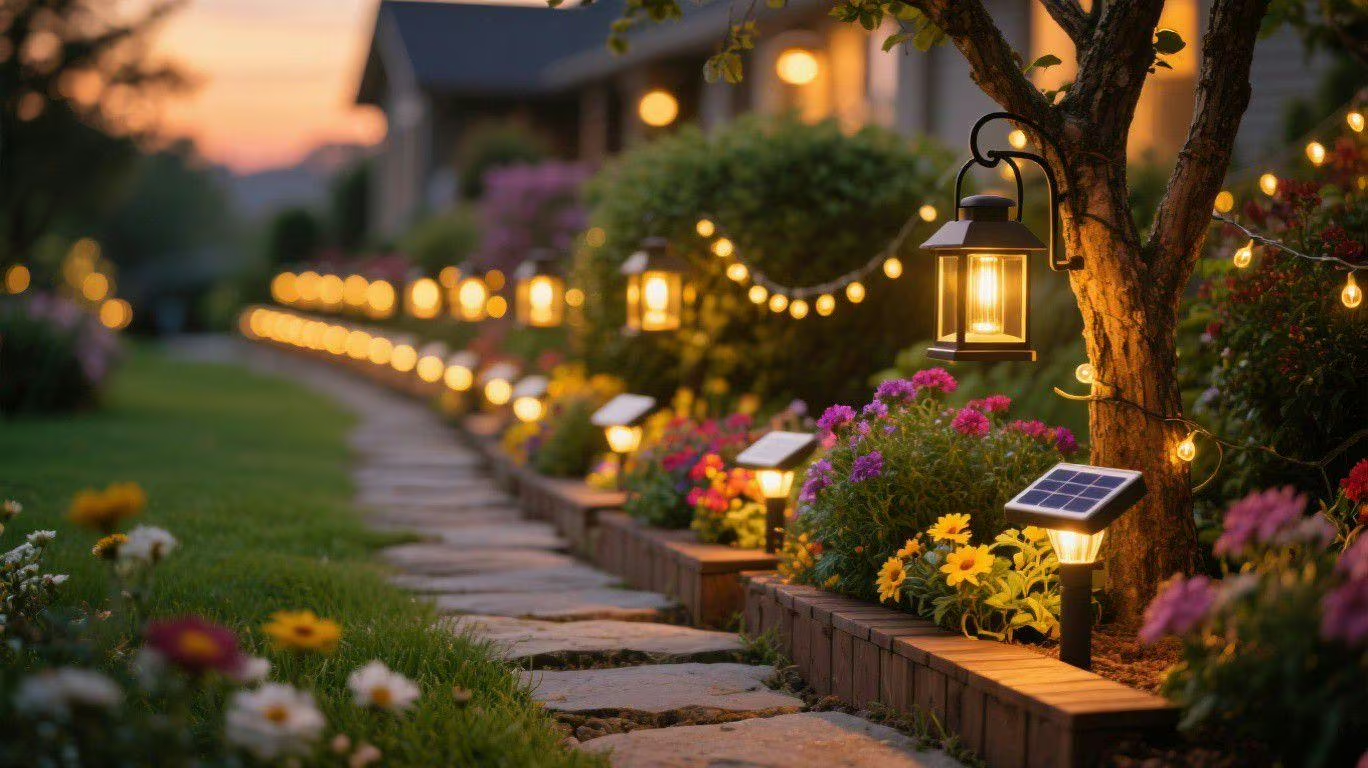
The first week of November settles the argument for about four days every year. The mums are still blooming on the porch, the store aisles have already turned to tinsel, and since daylight saving ended on the first of the month, the yard goes dark before most people have eaten dinner. Somewhere in the house, the annual debate has started again: warm white or multicolor this holiday? I have watched this fight run through my own kitchen and through at least four neighborhood group texts. Both sides are right about something, which is exactly why it never ends.
Step One: Decide What the Lights Are For
Color is the wrong first question. The better question is what the display has to do this December. If the job is to look composed to the neighbors and photograph well for the card, warm white carries that load. If the job is to make the kids lose their minds on the night of the twenty-fifth, multicolor wins, and it is not close. Settle this before you shop, because the stores will cheerfully sell you both, plus a projector you did not ask for.
It also helps to admit your household history. Families that argue about this every single year usually have mixed priorities, and mixed priorities are exactly what the compromise at the end of this article is for.
The Case for Warm White
Warm white is the classic look for a reason. It sits around 2700 Kelvin, the same neighborhood as the filament bulbs your grandparents strung, and from the street it reads as calm and deliberate. It also plays well with whatever landscape lighting you already own. If your path lights and porch fixture are warm white, colored strands stacked on top can make the place look like two houses sharing one yard.
The underrated argument is photography. Phone cameras handle warm white far more gracefully than they handle red and blue LEDs, which tend to smear and blow out after dusk. The family photo at the door, the video of kids in new coats on the steps: warm white gives you footage you can actually use. If you want the reasoning behind why warm light reads the way it does at night, the color temperature piece we published covers it in depth.
In practice, my favorite warm white move is also the simplest. One run of solar string lights in a single warm tone, wrapped along a rail or threaded through one big shrub. It is restrained, it installs in ten minutes, and it charges itself through the shortest days of the year.
The Case for Multicolor
Multicolor is joy, full stop. It reads as playful rather than polished, and for households with kids it does something warm white never manages: it makes the yard feel like an event instead of a magazine spread. There is a reason nearly every childhood memory of December includes those fat colored bulbs somewhere in the frame.
Color also plays better against greenery than people expect. Red, amber, and green wrapped on boxwoods and pines looks rich in a way a single warm tone sometimes does not. If your December yard is mostly evergreens, color has home field advantage.
One more quiet point in the color column: multicolor hides winter wear better. Warm white shows every water-spotted lens and every dead bulb against dark siding, while a varied palette is forgiving of the strand that got crushed in the storage bin last January. If your display has to survive kids, dogs, and a garage that leaks, color ages more gracefully through the season.
The one caution is quality. Cheap multicolor strands drift badly, with one blue bulb glowing twice as bright as its neighbors, and the whole palette starts to look like a clearance bin. A well made set of color decorative string lights keeps the tints even and the overall effect intentional, which is the difference between festive and frantic.
The Zone Split: The Compromise That Works
Here is the move that ends most arguments, at least for a season. Stop forcing one answer onto the whole property. Give the public face of the house to warm white and give the living spaces to color. Nobody at the curb feels ambushed, and nobody at the fire pit feels shortchanged.
- Front and street-facing elevations: warm white only, so the house reads calm and put together.
- Entry and porch: warm white, possibly with an amber flame effect for texture.
- Back patio, deck, and kid territory: multicolor, where the fun belongs.
- Trees and shrubs: match the zone they sit in, not the zone across the yard.
The split works because it respects what each audience wants. Passersby and the doorbell camera get the composed version. The people who live there get the sugar. And when relatives visit in the stretch between Christmas and New Year’s Eve, both versions are on display and nobody had to lose the argument.
Do the Dry Run Before Thanksgiving
Whatever you choose, test it at night before you commit to the full install. String one warm white run and one multicolor run in the same area on the same evening, then walk to the curb and look back at your own house the way a stranger would. Take one phone photo of each version around six, because the photo is how most of your friends will actually experience the place. Nine times out of ten the answer gets obvious inside two minutes, and you will wonder what the annual fight was about.
You have a little runway. Order by the first week of December, aim the panels at the open southern sky, and the great warm white versus multicolor debate can retire for another year with both sides declared correct.